Dry Needling
A therapeutic approach for muscle pain
What Is Dry Needling?
Therapy focused on muscle pain
Dry needling is a treatment where a physical therapist places thin, solid needles into tight muscle knots, called trigger points, to release them and reduce pain. There's no medication in the needle, which is why it's called "dry." At Premier Physical Therapy in Arlington, TX, dry needling is performed by, Eva Bertrand, PT.
Conditions that May Benefit from Dry Needling
We use dry needling as part of care for neck pain, back pain, shoulder pain, headaches, elbow pain, hip pain, knee pain, foot and ankle pain, sports injuries and chronic pain. It works best alongside exercise and other hands-on care, such as manual therapy and myofascial release.
How Dry Needling Works
A trigger point is a tight band in a muscle that can be tender to touch and can send pain to other areas. When the needle reaches the trigger point, the muscle often twitches and then relaxes. This can reduce muscle tension and pain and make it easier to move and do your exercises.
What It Feels Like
Most people barely feel the needle go in. When it reaches a trigger point, you'll likely feel a quick twitch or a deep ache that fades within seconds. Afterward, the area can feel sore, like after a hard workout, for a day or two. Light movement and heat usually help. There's no downtime, and most people go back to normal activity the same day.
Dry Needling vs. Acupuncture
A trigger point is a tight band in a muscle that can be tender to touch and can send pain to other areas. When the needle reaches the trigger point, the muscle often twitches and then relaxes. This can reduce muscle tension and pain and make it easier to move and do your exercises.
Who Shouldn't Have Dry Needling
Dry needling is not a good fit for everyone. Tell us before treatment if any of these apply:
-
You have a bleeding disorder.
-
You take blood thinners. You may still be able to have dry needling, but ask first.
-
You're pregnant. Some areas of the body are avoided during pregnancy.
-
You have a strong fear of needles. We can use other treatments instead.
A Broader Therapy Approach
Care options available at Premier Physical Therapy
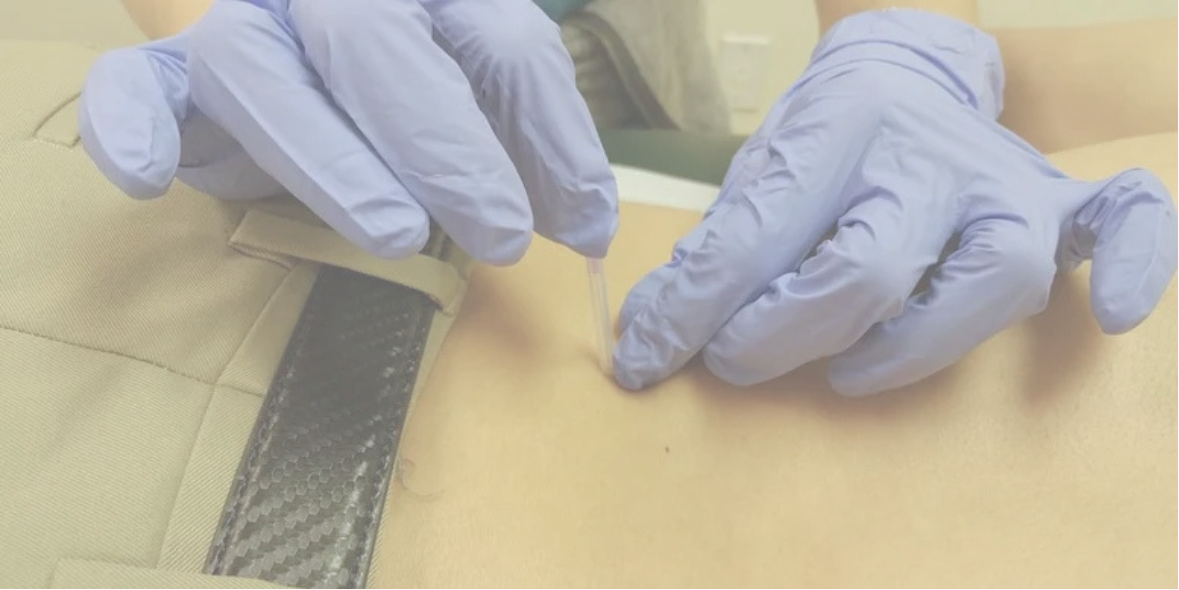
Dry Needling
Thin, solid needles placed into tight muscle knots (trigger points) to release them and reduce pain.
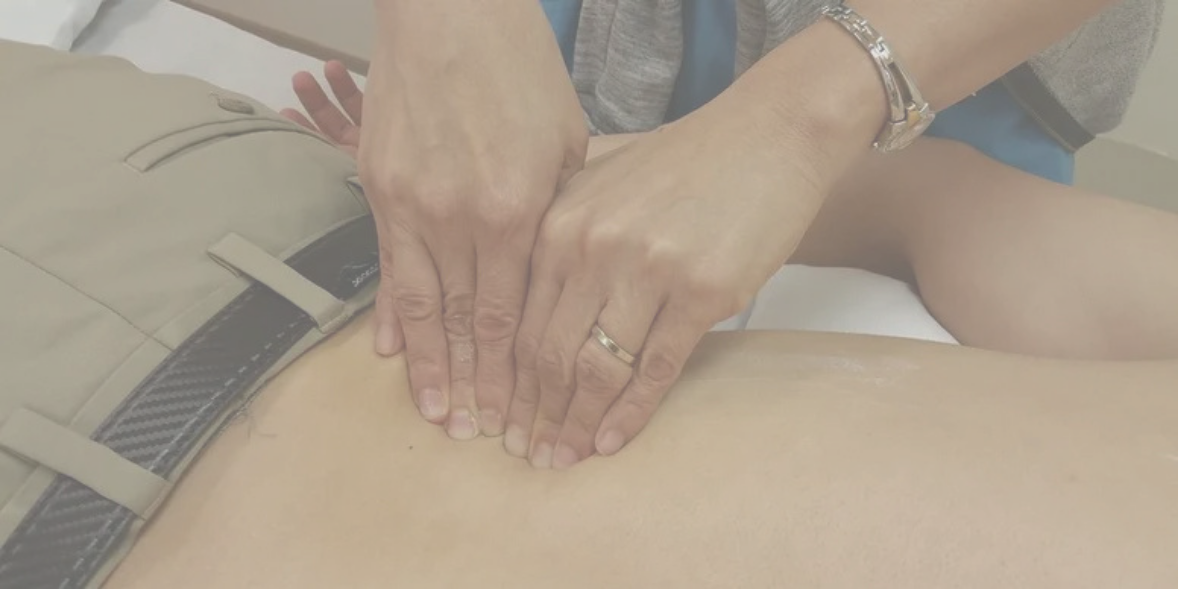
Myofascial Release
Slow, sustained pressure on the fascia, the connective tissue around your muscles, to ease tightness and restrictions. This is the center of our treatment approach.
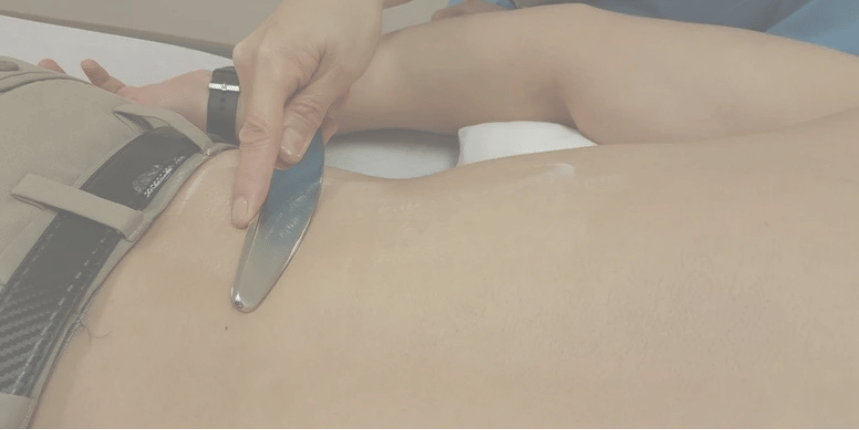
IASTM
Often called "scraping." Smooth tools glide over the skin to loosen scar tissue and restricted muscles and tendons.